Skip to main content Scroll Top

Featured Therapists

Featured Therapists:

Every month, PTCNY features our member therapists. This month we’d like to introduce you to:
florman

Modes of Treatment:
Individual Therapy, Addiction-only Family Therapy, On-site CISD, Critical Incident Stress Debriefing, CISM, Critical Incident Stress Management

Specializations:
Mood Disorders, Dual Diagnosis, Drug, Alcohol and Addictive Disorders, SAP Assessments, Referrals + Treatment / DOT, Critical Incident Stress Management + Debriefing

Therapeutic Modalities:
Psychodynamic Psychotherapy, Cognitive Behavioral Psychotherapy, Short-Term Solution-Focused Treatment

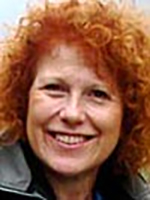
Laura Florman, LCSW, SAP

After decades of clinical practice, I have recognized that we enter into treatment for three reasons: relationships, relationships, and relationships…most significantly, the relationship we have with our selves. When our problem-solving skills present as lacking, inadequate, or underdeveloped we may suffer greatly. Left unexplored, our fears and frustrations can seem overwhelming. Understanding the complex underpinnings of our thoughts, feelings and actions can provide the window of opportunity for change. My own complementary paths as psychotherapist and musician dovetail into a deeper awareness of that relationship. Together, we might listen to what is not being said.

Specializing in mood disorders, the diagnosis and treatment of addictive disorders plus the assessment and treatment of those effected by traumatic events, Laura Florman provides behavioral health services via in-office, on-site and off-site contact.

Telehealth is provided on an as-needed basis.

READ MORE ABOUT THIS THERAPIST >>

geller

Modes of Treatment:
Individual, Couples, Family, Supervision

Specializations:
Interpersonal Issues, Relationship Issues, Womens Issues, Sexual Harassment, Trauma and PostTraumatic Stress, Sexual Abuse, Aging, Career and Work Concerns, Depression-no suicidal behaviors, Domestic Abuse

Therapeutic Modalities:
Interpersonal Psychotherapy, Psychodynamic Psychotherapy,Supportive Psychotherapy Trauma Relief, Short-term Psychotherapy, Treatment of Abusive Behaviors and Survivors of Abuse

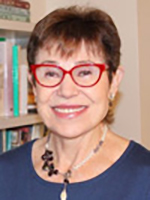
Janet A. Geller, EdD, LCSW

I began my role in social work when I was 15. I was just a teen-ager from working class family and untrained but I belonged to a teen Y program staffed by MSW social workers. The leaders of “The Teen Lounge” as it was referred to, would call on me to make new members welcome, reach out to more introverted kids, etc. The staff said many times, “Janet, you should be a social worker.” The influence of social work on my life continued over the years – camp counselor, camp supervisor and so on. My parents, coming from a working class background, thought I should be a secretary, but my experiences made me determined to pursue my dream. There was no hesitation on my part to pursue this course. I derived much satisfaction and was gratified by helping others. I was lucky enough to be able to attend a part of the CUNY system; otherwise there would not have been money to send me to college. After receiving my MSW on a full scholarship to the University of Pennsylvania School of Social Policy and Practice, I began my 17 years of working in social agencies, always receiving a minimum of one hour of clinical supervision weekly. I was hungry for learning how to be the best helping person I could be. I practiced individual psychotherapy with an adult population until I began what would become my many years of work with teens. The child psychiatrist I received supervision from believed familytherapy would be the most appropriate form of treatment for our teen population and this began my training in that area. At a later point in my agency career, I became the Clinical Director of a Women’s Center whose population was mostly battered women and sexual assault survivors. Trauma was not yet well understood but it was clear the effects of their horrific violations had a lasting impact. Often the abused women in this setting had traditional values and saw their roles as the primary caretakers of their children and husbands. Our clients rejected the available battered women’s services which advocated shelter and making use of the Criminal Justice system; nor did these women want a divorce. They just wanted the abuse to stop. In the social work tradition of being where the client was, I felt that in order to service 98% of the clients we treated who were abused, a clinical model of treatment needed to be developed. I was fortunate to have the opportunity to develop a treatment model to meet their needs. I eventually wrote a book, Breaking Destructive Patterns: Multiple Strategies for Treating Partner Abuse, published by The Free Press as well and wrote chapters on Domestic Abuse in various publications. In addition, I presented this model at psychological conferences, workshops and other learning venues. I was an Assistant Professor at Columbia University for several years. In addition to my other responsibilities at Columbia, I taught a Women’s Issues course which included this model of treatment. My path led to my holding the position of the Domestic Abuse Consultant at Jewish Board of Family and Children’s Services for 13 years. It was during my tenure there that I learned about trauma treatment from Bessel van der Kolk, MD, who taught senior staff about the treatment of PTSD so that we could train other staff. Learning this cogent model for treating trauma was a valued and critical experience that I quickly incorporated into my work in my private practice with individuals and couples. I was lucky enough to have many opportunities to hone my craft to what it is today.

READ MORE ABOUT THIS THERAPIST >>